



In the past two years, EDLA certification has become a common requirement in many tenders for interactive flat panel. Why wasn’t this mandatory before?
The answer lies in the growing demand for security, compliance, and long-term system stability in enterprise and educational environments. To understand this shift, we first need to understand what EDLA certification is.
What Is EDLA Certification?
EDLA (Enterprise Device Licensing Agreement) is an official licensing program launched by Google for enterprise-level Android devices. It ensures that devices meet strict standards for Android compatibility, security, and user experience.
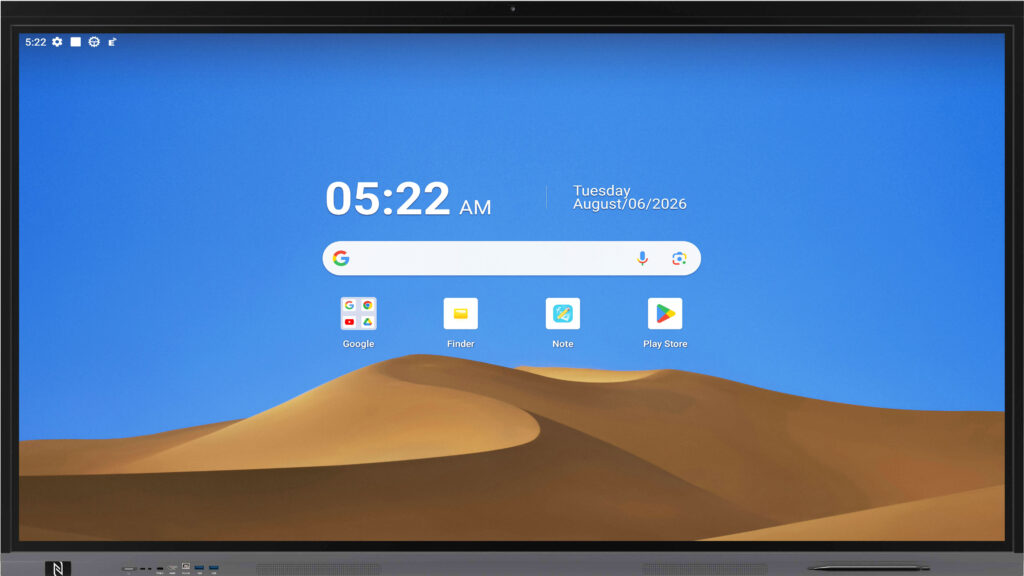
Devices that pass EDLA certification are authorized to legally pre-install Google Mobile Services (GMS), including essential applications such as Google Play Store, Gmail, and YouTube. More importantly, they receive continuous Android security updates and system patches directly supported by Google.
What Does EDLA Certification Mean for End Products?
1. Global Market Access
EDLA certification is increasingly becoming a key requirement for entering major markets such as Europe, North America, and Asia-Pacific. It helps products pass compliance reviews more efficiently and enhances competitiveness in international tenders.
2. Long-Term Security & Reliability
With regular security patches and vulnerability updates from Google, EDLA-certified devices provide stronger protection against cyber threats and reduce the risk of enterprise data breaches.
3. Full Google Ecosystem Integration
Pre-installed GMS and deep Google API integration enable customers to develop and deploy customized enterprise applications — from smart retail inventory systems to AI-powered industrial inspection platforms — improving operational efficiency and scalability.
4. Stronger Brand Credibility
The EDLA certification mark represents quality, compliance, and reliability. It strengthens brand positioning and increases competitiveness in high-end projects and government bidding processes.
Are Non-EDLA Android Devices Unusable?
Not necessarily.
Non-EDLA Android devices can still install and use certain APK applications. However:
The system typically does not receive ongoing security patches.
Compatibility risks increase over time as applications update.
Some Google-related services may become unstable or restricted.
Long-term system stability cannot be guaranteed.
If the system and applications remain unchanged, basic functions can continue operating normally. For many users with limited Google service dependency, non-EDLA devices may still meet basic needs.
However, for government institutions, public projects, and educational environments that rely heavily on Google Play services and secure system updates, EDLA certification has become increasingly essential. This explains why more tenders now explicitly require EDLA-certified devices.
DS Tech EDLA-Certified Product Line
Since 2024, DS Tech has actively aligned with Google’s enterprise standards:
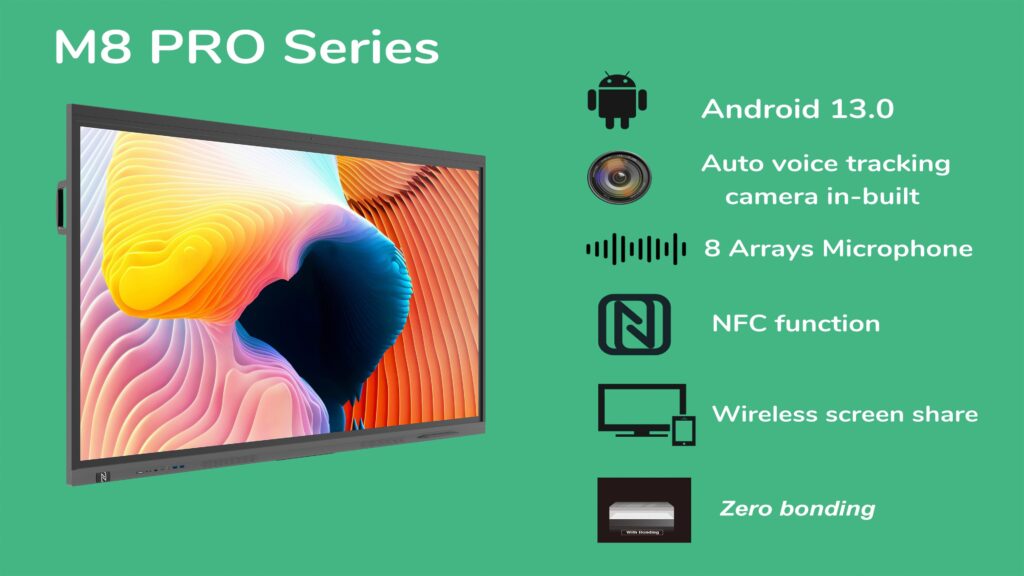
M8 Series – Android 13 with EDLA certification (launched 2024)
RK88 Series – Android 15 with EDLA certification (launched 2025, based on RK3588 platform)
S16 & S17 Series – Android 14 with 9679/3576 solutions, fully EDLA certified
All series are designed to meet the evolving compliance requirements of international markets and large-scale institutional projects.
Why Choose DS Tech?
By choosing DS Tech, you gain:
Access to officially EDLA-certified smart touch display solutions
Long-term system stability and security assurance
Compliance support for government and educational tenders
Optimized cost structure without unnecessary licensing expenses
Reliable hardware powered by advanced chip platforms
As market standards continue to evolve, EDLA certification is no longer just an added value — it is becoming the baseline requirement for professional Android touchscreen solutions.
DS Tech is ready to support your projects with compliant, secure, and future-ready smart display devices.